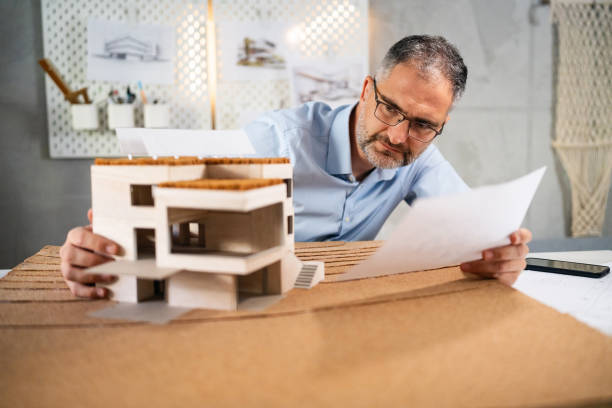
The first time someone commissions a physical model, they usually have a mental image of what they want but very little sense of what the process actually looks like. How long does it take? What information does the workshop need from you? What can go wrong? Having worked through this with a reputable model making company india, most clients come away realising the process is far more collaborative than they expected, and that a bit of preparation on their end goes a long way toward a smoother project.
Step One: The Brief Matters More Than You Think
Before any cutting or gluing happens, the studio needs a clear picture of what you’re trying to communicate. Is this model meant to sell a lifestyle to potential buyers, or is it a technical reference for an engineering review? The purpose changes everything, from the level of interior detail to whether the roof needs to be removable, to whether lighting is worth the added cost.
Bring whatever you have — architectural drawings, CAD files, even reference photos of similar projects you like. The more concrete information a studio has upfront, the fewer surprises there will be later, and the fewer rounds of costly revisions.
Materials and Scale Decisions
Not every project needs the same material. A quick concept model for an internal design review might be built in simple foam board, while a client-facing showpiece destined for a sales gallery will likely use acrylic, resin and finer detailing. Scale is another decision that gets made early, usually somewhere between 1:50 and 1:500 depending on whether you’re showing a single building or an entire township.
A good studio will walk you through these trade-offs rather than defaulting to whatever is easiest for them. It’s worth asking directly what they’d recommend for your budget and purpose, since the answer often reveals how much attention they’ll actually put into your project.
Timelines You Should Plan Around
Depending on complexity, a mid-size architectural model can take anywhere from two to six weeks. Larger township models or highly detailed interior cutaways can take longer. If you have a fixed pitch date or exhibition deadline, communicate it clearly at the very first conversation, not after the quote has already been agreed. Studios that regularly deliver on tight timelines usually build in buffer for finishing touches, since rushed final details are what tend to look sloppy.
Reviewing Progress Without Slowing Things Down
Most established workshops share progress photos at key milestones, such as after the base structure is complete or once the main massing is in place, before moving on to fine details like landscaping or figures. This gives you a chance to catch anything that’s off track early, when it’s cheap to fix, rather than at final delivery when changes are expensive and time-consuming.
Try to give feedback in a single consolidated round rather than a stream of small requests, since that helps the workshop team plan their work more efficiently and usually keeps your final cost closer to the original quote.
What Good Delivery Looks Like
A model isn’t finished the moment it’s built, it needs to survive the trip to wherever it’s being presented. Ask about packaging and transport in advance, especially for larger or more delicate pieces. Reputable studios build custom crates or protective casing for anything travelling by road or air, and some offer setup assistance at the venue itself for high-stakes presentations.
Common Mistakes First-Time Clients Make
The most frequent misstep is waiting too long to bring in a model making company india, treating the model as an afterthought once the drawings are already finalised and the presentation date is looming. Building in lead time from the start almost always produces a better result, since the studio has room to raise questions about scale or detail rather than being forced to make quick assumptions under time pressure.
Another common mistake is under-communicating the purpose of the model. A piece meant for a quiet internal design review has very different requirements from one meant to sit in a public sales lounge for months, and studios can only make the right calls on material and finish if they actually know which situation they’re building for. Being specific about where and how the model will be used, right from the first conversation, consistently leads to a better outcome.
Building a Long-Term Relationship With a Studio
If your organisation regularly needs models, whether for recurring project launches, investor updates, or exhibition stands, it’s worth thinking beyond a single transaction. Studios that understand your typical scale, your house style and your usual turnaround expectations can move faster on future projects because they’re not starting from zero each time. Many firms that work repeatedly with the same team report smoother briefings and fewer revision rounds simply because the studio has learned how that client likes to work.
Handling Multiple Stakeholders in One Project
Larger commissions often involve more than one decision-maker, an architect who cares about accuracy, a marketing team who cares about visual impact, and a finance team watching the budget. Managing these sometimes competing priorities can slow a project down if the studio doesn’t have a clear single point of contact to route feedback through. Before the build begins, it’s worth agreeing internally on who has final sign-off on design decisions, so the studio isn’t caught in the middle of conflicting instructions midway through the work.
It also helps to circulate a shared brief document among everyone involved before the first meeting with the studio, so all stakeholders are aligned on scale, budget and purpose from day one. This small step upfront tends to prevent the most common source of delay in larger projects, which isn’t the studio’s fabrication speed but rather internal indecision surfacing late in the process. Treating the brief as a living document that gets updated after each internal review, rather than a one-time email, also makes it far easier for a studio to trace exactly when and why a decision was made if questions come up later.
Conclusion
Commissioning a model doesn’t need to be intimidating once you know roughly what to expect. Come prepared with clear drawings and a clear purpose, ask questions about materials and timelines upfront, and stay engaged during the build process. Do that, and a capable model making company india is far more likely to deliver exactly what you needed — a piece that wins the room.